
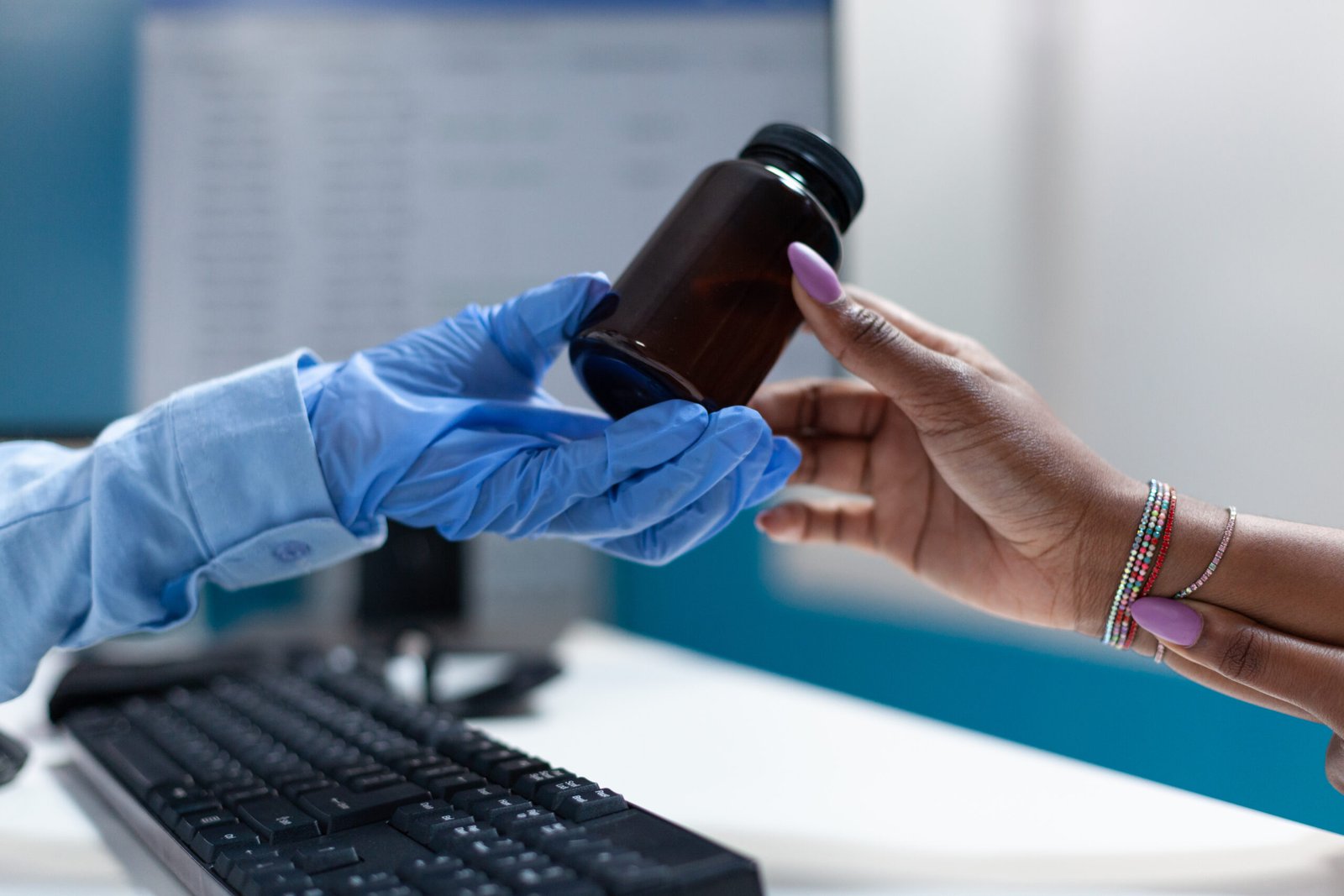
Drug testing has become a standard part of workplace safety programs across many industries. Whether it’s a pre-employment screening, random drug test, post-accident testing, or a DOT-required test, employers often want to know exactly what substances can be detected.
One of the most common questions we hear at Txmdts.com is: “What drugs can actually show up on a drug test?”
The answer depends on the type of test being performed, but most workplace drug screenings are designed to detect a range of commonly abused substances that could impact safety, performance, and productivity.
Let’s break it down.
How Drug Testing Works
Drug tests identify the presence of specific substances or their metabolites in the body. Different testing methods can detect drug use over different periods of time.
Common testing methods include:
- Urine drug testing
- Saliva drug testing
- Hair follicle testing
- Blood testing
- Breath alcohol testing
Among these, urine testing remains the most commonly used method for workplace drug screening because it is reliable, cost-effective, and widely accepted.
What Drugs Are Commonly Detected in a Drug Test?
Most employers use a standard panel drug test that screens for several commonly abused substances.
Marijuana (THC)
Marijuana remains one of the most frequently detected substances in workplace drug testing.
Even though marijuana laws have changed in many states, employers may still enforce drug-free workplace policies and test for THC.
Cocaine
Cocaine is a powerful stimulant that can affect judgment, reaction time, and workplace safety. It is commonly included in standard drug testing panels.
Amphetamines
This category includes substances such as:
- Amphetamine
- Methamphetamine
- Certain prescription stimulants
Because these drugs can affect behavior and performance, they are commonly screened during workplace testing.
Opiates
Opiates are frequently included in drug screening panels and may include:
- Morphine
- Codeine
- Heroin
Many employers test for opiates due to concerns about impairment and workplace safety.
PCP (Phencyclidine)
PCP is a hallucinogenic drug that can cause severe behavioral and psychological effects. It is part of many standard workplace drug tests.
What Is a 5-Panel Drug Test?
The 5-panel drug test is one of the most common workplace drug screens.
It typically tests for:
- Marijuana (THC)
- Cocaine
- Amphetamines
- Opiates
- PCP
Many employers use this test for pre-employment and random drug testing programs.
What Is a 10-Panel Drug Test?
A 10-panel drug test provides a broader screening and may include additional substances such as:
- Benzodiazepines
- Barbiturates
- Methadone
- Propoxyphene
- Methaqualone
Some employers choose a 10-panel test when they need a more comprehensive workplace drug screening program.
Can Prescription Medications Show Up on a Drug Test?
Yes.
Certain prescription medications can trigger positive results depending on the type of test being performed.
Examples include:
- ADHD medications
- Pain medications
- Anti-anxiety medications
- Sleep medications
This doesn’t automatically mean someone has violated company policy. In many cases, a Medical Review Officer (MRO) may verify legitimate prescriptions before final results are reported.
How Long Can Drugs Be Detected?
Detection windows vary based on several factors, including:
- Type of drug
- Frequency of use
- Individual metabolism
- Type of drug test performed
Generally speaking:
| Substance | Approximate Detection Window (Urine Test) |
|---|---|
| Marijuana | Several days to several weeks |
| Cocaine | 2–4 days |
| Amphetamines | 1–3 days |
| Opiates | 1–3 days |
| PCP | Up to 7 days or longer |
Detection times can vary significantly between individuals.
Why Employers Conduct Drug Testing
Drug testing isn’t simply about compliance.
Many businesses use drug testing to:
- Improve workplace safety
- Reduce accidents
- Protect company assets
- Maintain productivity
- Meet industry regulations
- Promote a drug-free workplace culture
For employers in transportation, construction, manufacturing, and energy industries, drug testing is often a critical component of workplace risk management.
Why Choose Professional Drug Testing Services?
Accurate testing requires more than simply collecting a sample.
Professional testing providers ensure:
- Proper chain of custody
- Confidential results
- Accurate laboratory analysis
- Compliance with industry standards
- Fast turnaround times
Working with experienced professionals helps employers maintain confidence in their testing programs.
How Txmdts.com Can Help
At Txmdts.com, we provide professional drug testing services for businesses across Texas. Whether you need pre-employment screening, random testing, post-accident testing, DOT testing, or mobile on-site drug testing, our team delivers reliable solutions designed to support workplace safety.
Our goal is to make drug testing simple, accurate, and convenient for employers of all sizes.
Frequently Asked Questions
What drugs are most commonly detected in a workplace drug test?
The most common substances tested include marijuana, cocaine, amphetamines, opiates, and PCP.
Can a drug test detect prescription medications?
Yes. Certain prescription medications may appear on a drug test depending on the screening panel used.
What is the difference between a 5-panel and 10-panel drug test?
A 5-panel test screens for five common categories of drugs, while a 10-panel test includes additional substances such as benzodiazepines and barbiturates.
Can employers choose which drugs to test for?
Yes. Employers can select testing panels based on company policies, industry requirements, and workplace safety concerns.
Is urine testing the most common workplace drug test?
Yes. Urine testing remains the most widely used method for workplace drug screening due to its reliability and cost-effectiveness.
Final Thoughts
Understanding what drugs can be detected in a drug test helps both employers and employees better understand workplace drug screening programs. While testing panels may vary, most workplace drug tests focus on substances that can impact safety, productivity, and job performance.
If you’re looking for reliable workplace drug testing solutions, Txmdts.com offers professional testing services tailored to the needs of Texas employers. From mobile testing to comprehensive workplace screening programs, we’re here to help you build a safer and more productive workplace.
